
How We Grow
You Can't Afford to Wait
If you wait too long to start saving for your goals, it can be incredibly difficult to catch up. But by planting the seeds early and being considered with your approach, you can sit back and watch as your money grows. If you find yourself ready to start diversifying your savings and investments, but you want to ensure you’re structuring your finances correctly, this article is for you. Let’s survey some of the essentials you need to know to set yourself on a path to sustainable financial growth.Automate Everything
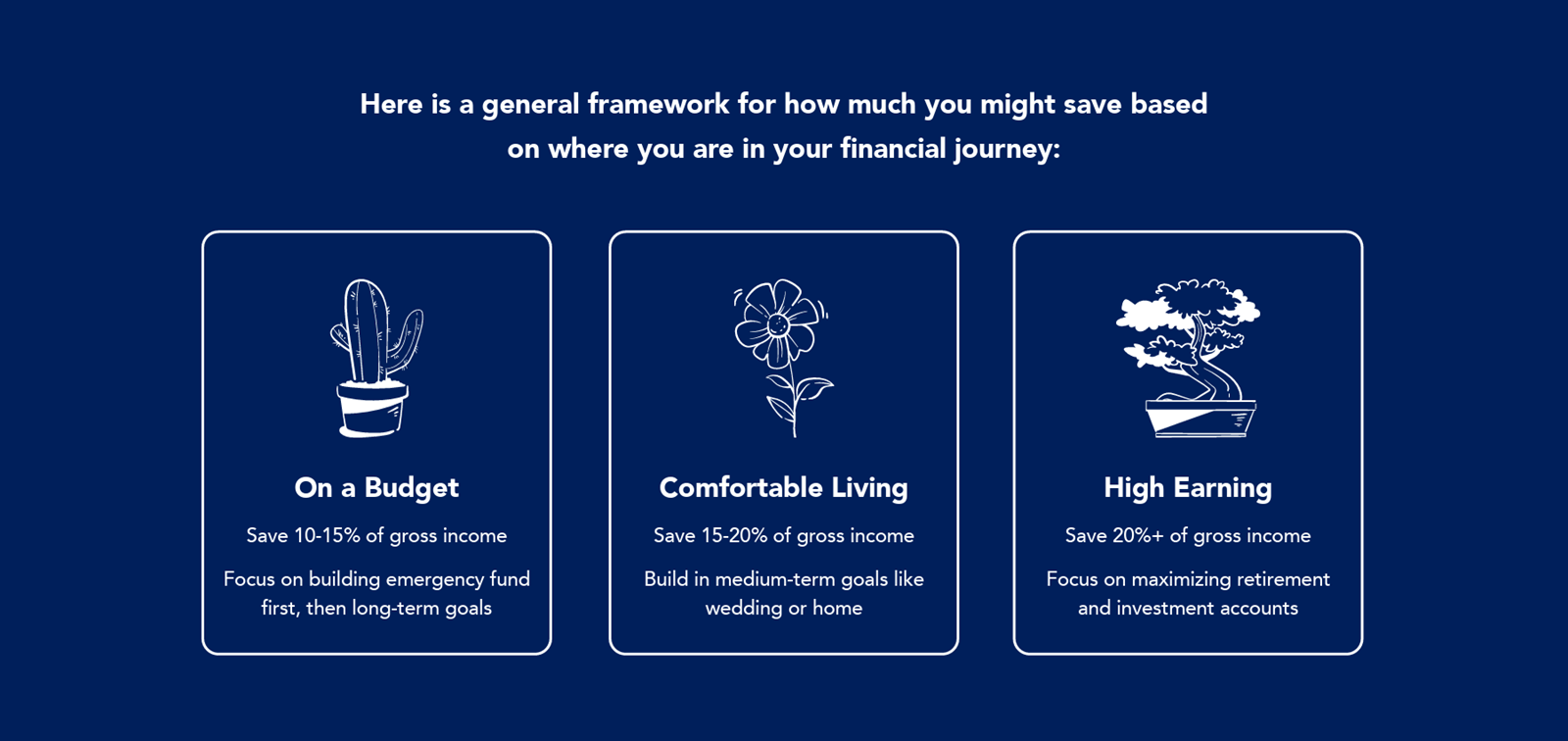
Most people save what’s left over at the end of the month. But by the time we account for all our want-to-haves, there’s rarely anything left over! The solution? Paying yourself first. That means treating savings like your most important bill. And the easiest way to do that is to automate it. Set up a recurring transfer from checking to savings that happens every payday. You can do this through your bank or credit union’s app in about three minutes. Just set it and forget it! When savings is automatic, you’re not choosing between saving and spending every month. Savings becomes an expense instead of a luxury.Remember: anything you can put aside each month, even if it’s only 2% of your income, will go a long way. Plus, you’ll build a habit of saving that will strengthen your financial discipline over time. So start where you can, then increase your saving goals as your income grows.
Understanding Your Options
Noat all savings options are created equal. Here's how to choose the right place for your money.Savings Accounts
Best for: Emergency funds, short-term goals, money you might need quickly.
How they work: You deposit money, it earns interest and/or dividends, and you can withdraw anytime without penalty.
Certificates of Deposit (CDs)
Best for: Medium-term goals with fixed timelines, guaranteed returns.
How they work: You deposit a lump sum for a fixed period (3 months to 5 years), and you earn a guaranteed interest rate— usually higher than regular savings. Just be aware that you won’t be able to access that money without paying a penalty.
Money Market Accounts
Best for: Emergency funds, short-to-medium-term goals, people who want higher rates with easy access
How they work: A hybrid between savings and checking. Usually offers slightly higher interest rates than savings accounts, often with check-writing privileges or debit card access.
Stocks and Bonds
Best for: Long-term goals (7+ years), retirement, building wealth.How they work: You’re buying ownership in companies (stocks) or lending money to governments/corporations (bonds). Stocks offer higher growth potential but fluctuate. Bonds are more stable but grow at a slower rate.
Real Estate
Best for: Long-term wealth building, diversification, hands-on investors.
How they work: You can buy property directly (rental properties, house flipping) or invest in REITs (Real Estate Investment Trusts—basically stocks that own properties).
Why Choose a Credit Union
Credit unions typically offer savings annual percentage yields (APY) that are much higher than the big banks. But it’s not all about the rates. Becoming a member of a credit union means joining a community institution that’s member-owned, not beholden to external shareholder demands. When we do well, you do well, through better rates, lower fees, and improved services.
At Point Breeze, we invest directly in Greater Baltimore through grants for small businesses, financial literacy programs, and community partnerships. Your savings account builds a stronger economy right in your backyard.
Signs You’re Ready
- You have multiple savings goals and aren’t sure how to prioritize them
- You’re approaching a major life milestone (marriage, home purchase, career change)
- You want to start investing but feel overwhelmed
- You’ve experienced a financial windfall (inheritance, salary bonus, sale of property)
- You’re behind on retirement savings and need a catch-up plan
What Financial Advisors Actually Do
A good financial advisor can help with comprehensive financial planning.- Clarify your goals: What are you actually saving for? When do you need it?
- Build a comprehensive plan: How do all your accounts work together?
- Navigate complex decisions: Pay off debt or invest? Rent or buy?
- Optimize taxes: Are you taking advantage of tax-advantaged accounts?
- Stay accountable: Regular check-ins keep you on track